Common Mistakes When Specifying Whiteboards and Writing Surfaces
Key Considerations That Impact Long-Term Performance
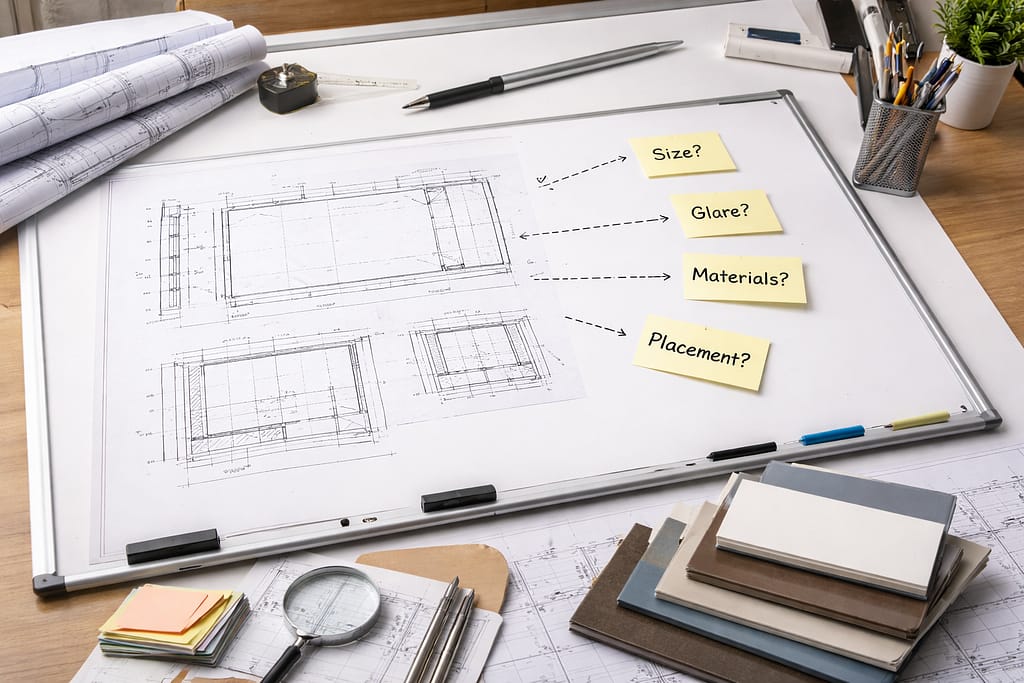
Specifying a writing surface may seem straightforward, but small decisions made early in the process can have long-term consequences. Performance issues, maintenance challenges, and user dissatisfaction often trace back to avoidable mistakes during planning and specification.
Based on decades of experience working with schools, architects, builders, and facilities teams, the issues below are among the most common and most costly.
Choosing the Lowest-Cost Surface Without Considering Lifecycle
One of the most frequent mistakes is selecting a writing surface based primarily on initial cost. Painted steel and vinyl-coated surfaces can appear similar at first glance, but they typically wear faster, stain more easily, and lose erasability over time.
In high-use environments, this often leads to increased maintenance, earlier replacement, and higher total cost over the life of the building. Specifying a durable surface from the start helps avoid these downstream issues.
Undersizing the Writing Surface
Writing surfaces are often sized based on minimum requirements rather than actual use. In practice, boards that feel adequate on paper can quickly feel restrictive once the space is in use.
Modern classrooms and collaboration spaces frequently require more writing area than anticipated, especially when projection, group work, or hybrid teaching methods are involved. Once installed, increasing board size is difficult and costly, making undersizing a common regret.
Not Accounting for How the Space Will Be Used
Writing surfaces perform best when they are planned in context. A surface that works well in a traditional classroom may not be appropriate for a science lab, breakout space, or collaborative common area.
Common oversights include failing to consider glare from lighting or windows, placing boards where furniture limits access, or selecting surfaces that do not align with how the room will actually function day to day.
Overlooking Long-Term Maintenance Requirements
Maintenance expectations vary significantly by surface type. Some materials require more frequent cleaning, specialized products, or careful handling to maintain performance.
Specifying a surface without understanding its maintenance needs can create challenges for facilities teams and lead to dissatisfaction over time. Clear alignment between surface selection and maintenance capabilities is essential.
Treating Glass Markerboards as a Universal Solution
Glass markerboards perform well in certain environments, particularly where aesthetics are a priority. However, they are not always the best choice for every space.
Issues such as glare, marker visibility, installation complexity, and cost can limit their suitability in classrooms or high-use institutional settings. Treating glass as a default option rather than a targeted solution can create unintended drawbacks.
Ignoring Trim, Joints, and Installation Details
Writing surface performance is influenced not only by the panel itself but also by how it is framed and installed. Poor joint alignment, inconsistent trim, or inadequate wall preparation can affect appearance and usability.
Details such as joint systems for large installations, trim finish options, and wall conditions should be considered early, not treated as afterthoughts during installation.
Not Planning for Technology Integration
Modern learning and collaboration spaces often combine writing surfaces with projectors, monitors, or interactive displays. Failing to plan for this integration can result in awkward layouts, blocked sightlines, or underutilized writing space.
Boards that flank digital displays or span entire walls typically provide greater flexibility and longevity as technology evolves.
Assuming All Writing Surfaces Perform the Same
Finally, a common misconception is that all writing surfaces offer similar performance if they meet basic specifications. In reality, material quality, manufacturing processes, and installation methods all play a significant role in long-term performance.
Understanding these differences during specification helps ensure that the selected solution performs as expected over time.
Planning Ahead Avoids Costly Corrections
Most writing surface issues are not the result of misuse, but of decisions made early in the planning process. Taking the time to understand materials, usage patterns, and long-term expectations helps avoid compromises that are difficult to correct later.
At Neal Slate Company, these considerations guide how writing surfaces are specified, manufactured, and applied across educational and institutional environments.
Contact Neal Slate
Have Questions or Need Guidance?
If you have questions about visual display solutions, planning considerations, or best practices for your environment, our team is here to help. With over a century of experience designing and manufacturing display solutions, Neal Slate works directly with schools, architects, builders, and facilities teams to provide clear, reliable guidance you can trust.