How to Clean and Maintain Writing Surfaces
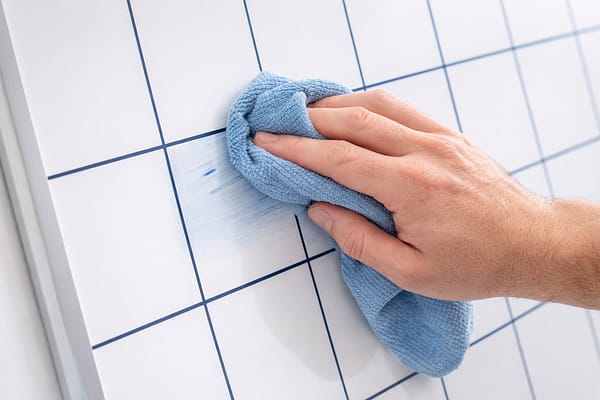
Writing surfaces play a critical role in classrooms, offices, and shared environments. When properly maintained, high-quality boards provide years of clear, reliable performance. When neglected or cleaned incorrectly, even premium surfaces can suffer from ghosting, staining, or reduced erasability.
At Neal Slate Company, we have designed and manufactured writing surfaces for institutional environments for over a century. The guidance below outlines proven, industry-accepted methods for cleaning and maintaining the three most common writing surfaces: porcelain steel whiteboards, porcelain steel chalkboards, and glass markerboards.
Initial preparation
When a new porcelain whiteboard is installed, remove the protective film completely. Clean the entire surface using a non-abrasive liquid cleaner and a soft, lint-free cloth. Rinse lightly with clean water and dry thoroughly. This initial cleaning removes any residue left from manufacturing and shipping and is important for optimal performance.
Routine cleaning
For day-to-day maintenance, clean the board regularly using an ammonia-based whiteboard cleaner or a comparable glass cleaner that contains ammonia. Boards used daily should be wiped down at least two times per week. Erasing the board regularly and not leaving ink on the surface for extended periods helps prevent ghosting.
Marker selection
Use high-quality dry erase markers designed for porcelain steel surfaces. Solvent-based markers typically erase more cleanly and are less likely to leave residue over time. Low-odor, water-based markers tend to have longer drying times and can increase the likelihood of ghosting if used heavily or left on the board too long.
Addressing ghosting or residue
If light ghosting occurs, apply a whiteboard cleaner or isopropyl alcohol to a clean cloth and wipe the affected area using light pressure. Rinse with clean water and dry the surface completely. Avoid abrasive pads or powders, which can damage the surface finish.
Routine cleaning
Clean chalkboards regularly using a soft felt or latex eraser to remove dry chalk residue. For deeper cleaning, wipe the surface with clean water and a soft cloth or sponge, then allow it to dry completely before use. Regular cleaning helps maintain consistent writing quality and appearance.
Materials to avoid
Do not use abrasive cleaners, scouring pads, or harsh chemicals. These can damage slate surfaces or wear down porcelain steel coatings over time. Avoid excessive water or soaking, especially on natural slate boards, as prolonged moisture can affect the surface.
Initial conditioning and care
New or recently cleaned chalkboards benefit from proper conditioning. Using the side of a piece of plain white chalk, lightly cover the surface and erase it completely. This helps reduce chalk shadowing and improves erasability on both slate and slate-coated steel boards.
Erasers and accessories
Use clean felt or latex erasers and clean them regularly to prevent chalk buildup. Avoid leaving tape, magnets, or adhesive materials on the board surface for extended periods, as residue may remain and affect appearance.
Routine cleaning
Clean glass markerboards using a standard glass cleaner or mild ammonia-based cleaner and a soft cloth or microfiber towel. Wipe the surface clean and dry thoroughly to prevent streaking.
Materials to avoid
Do not use abrasive cleaners, scouring pads, or rough paper products. While glass boards are highly durable, abrasive materials can dull the surface or leave fine scratches over time.
Marker compatibility
Dry erase markers of most types perform well on glass. Solvent-based markers often provide stronger contrast, especially on light or reflective glass surfaces. Permanent marker residue can be removed using glass cleaner or isopropyl alcohol if necessary.
Erasers and accessories
Use clean, soft erasers or microfiber cloths. Wash cloths regularly to prevent ink buildup. Avoid leaving tape or adhesive materials on the glass surface for extended periods, as residue may remain.
Contact Neal Slate
Have Questions or Need Guidance?
If you have questions about visual display solutions, planning considerations, or best practices for your environment, our team is here to help. With over a century of experience designing and manufacturing display solutions, Neal Slate works directly with schools, architects, builders, and facilities teams to provide clear, reliable guidance you can trust.